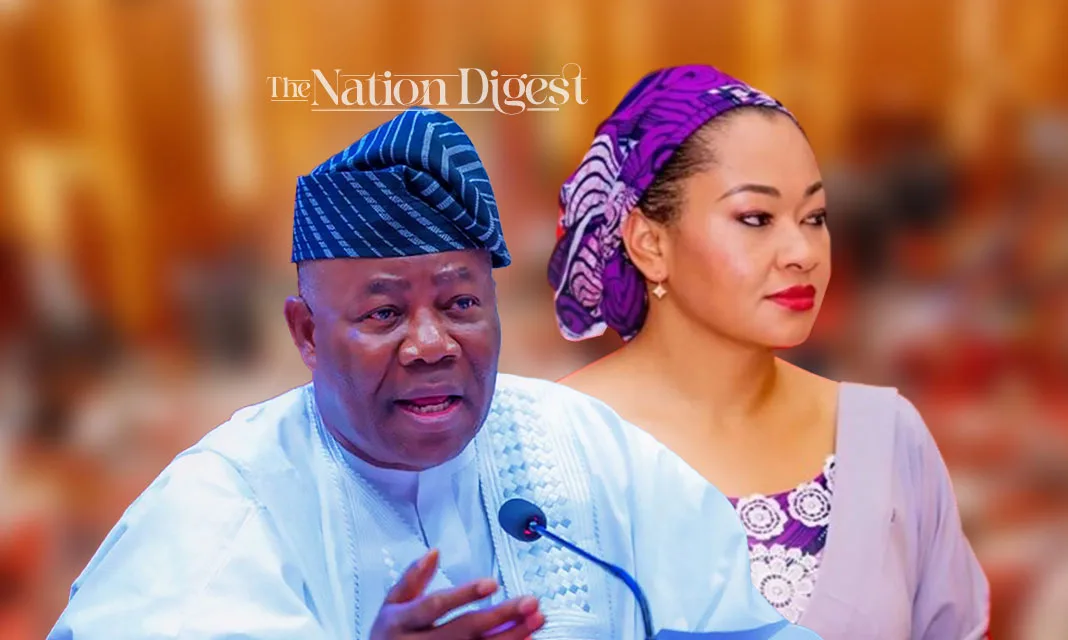
Senator Natasha Akpoti-Uduaghan’s road back to the red chamber has been anything but smooth. Despite a clear Federal High Court ruling that declared her suspension unconstitutional, the Nigerian Senate continues to deny her access to resume her legislative duties. It’s a decision that not only defies common sense but exposes a widening gap between the judiciary and the legislative arm of government. The drama surrounding senator Natasha’s resumption raises fundamental questions about the rule of law in Nigeria and whether the courts still carry the authority they once commanded.
Back in March 2025, Natasha was suspended for alleged misconduct. Many viewed the suspension as politically motivated. Justice Binta Nyako of the Federal High Court eventually ruled the six-month ban “excessive and unconstitutional,” giving many Nigerians hope that the injustice would be corrected. Her legal team, led by respected Senior Advocate Michael Numa, promptly wrote to the Senate, notifying them of her intention to resume on July 15. But the Senate, in a stunning response, argued that the court did not issue a direct order compelling them to act.
According to a letter signed by Charles Yoila, Director of Litigation and Counselling for the Clerk to the National Assembly, the court merely “advised” the Senate to consider her resumption. This was no order, they claimed, only a suggestion. The response left many stunned. Since when did a federal court judgment become an optional recommendation in a democracy?
@Naza300 voiced what many Nigerians were thinking:
“When the court has mandated the leadership of the house for her to resume. Is this not a high level of impunity and lack of leadership?” The sentiment is widespread, a feeling that laws are now flexible tools in the hands of those in power.
Senator Yemi Adaramodu, speaking for the Senate, reinforced the claim that the Certified True Copy of the judgment lacked any mandatory instruction. But Nigerians aren’t buying it. They’re watching a disturbing precedent take shape: one where lawmakers obey only the court orders they find convenient, and interpret the rest to suit their agenda.
Also Read: National Assembly Delays Resumption Until February 4 to Conclude Budget Defence Sessions.
Playing Word Games with the Law
The argument being made by the Senate is not just technical, it’s strategic. By saying the court “advised” and didn’t “order,” they are hiding behind legal semantics to block senator Natasha’s resumption. But this strategy might be short-sighted. The Constitution, particularly Section 318, makes it clear that the judiciary’s interpretations and declarations are binding. When a court says something is unconstitutional, it doesn’t need to add “thou shall obey.” The declaration itself is law.
Akpoti-Uduaghan’s legal team argued exactly this point in their letter to the Senate. They said the judgment was declarative in nature and binding by legal standards. It didn’t have to say “the Senate must comply.” The Constitution already assumes compliance with court rulings. What’s more troubling is that the Senate is framing itself as the final judge of its own obedience to the law, a slippery slope in any democracy.
Several social media users questioned this dangerous logic. @t_adblack wrote,
“No atom of respect for the rule of law. How can a country grow when they keep disobeying the judgment of the court?”
Others, like @EkuruorhoreD, went further:
“What Nigeria has turned to, politicians don’t obey court ruling anymore, they rather interpret & bend it in their favour.”
This isn’t just about one senator. It’s about the very nature of lawmaking in Nigeria. If courts can no longer hold the legislature accountable, then where does power truly lie? The refusal of senator Natasha’s resumption exposes a deeper rot in how Nigerian institutions interact — not as partners with checks and balances, but as rival power centers trying to outwit one another.
The Senate’s excuse is especially galling given its role as a custodian of democracy. When lawmakers choose not to respect court decisions, they undermine the very democracy they swore to uphold. And by doing so in such a public and unapologetic manner, they send a chilling message to citizens and institutions alike: the rule of law is only as strong as our willingness to follow it.
Public Backlash: Nigerians Demand Accountability
Public reaction to the Senate’s move has been swift, sharp, and unrelenting. Nigerians aren’t just angry — they’re disillusioned. To many, this is yet another example of how power holders in Abuja manipulate processes to silence dissent and protect their own interests. The denial of senator Natasha’s resumption has become a symbol of institutional arrogance and executive overreach.
@Prinz_Land didn’t mince words:
“The Judiciary lost their power and relevance when they decided to sell every right to politicians for money.” This bitter comment reflects the growing frustration many feel toward both the judiciary and the legislature. When both arms of government appear compromised, where should ordinary Nigerians turn?
@Ershimana captured the sense of abandonment felt in Kogi Central:
“This 10th assembly is actually denying the people of Kogi Central of their constitutional rights. This is not alright.” Constituents are watching their elected representative locked out of office, not for wrongdoing proven in court, but for reasons masked in institutional defiance.
Even those who supported Natasha’s suspension initially are beginning to question the Senate’s intentions. @dejairo655 noted,
“Many who didn’t read the CTC or have any knowledge of what was said by the court just accept what they were spoonfed. The worst problem any country can face is educated illiterates.”
Critics like @DafeOfuyah argue that the courts themselves are partly to blame. They say the judgment’s language was too soft, allowing politicians to manipulate its intent.
“Our courts are giving effortery to politicians to deliberately breach our laws… No recourse to legal precedent.” Others blamed Senate President Akpabio directly. @buhilz56 asked, “Akpabio, are you not seeing what’s happening around you? What will you be remembered for?”
At the core of all these reactions is a simple truth: the people feel cheated. They elected a representative, the court ruled her suspension illegal, and yet she’s still outside looking in. It’s a scenario that reeks of democratic failure, and it’s fueling deeper cynicism about the nation’s political class.
Who Really Holds the Power in Nigeria?
What we’re witnessing isn’t just a delay in senator Natasha’s resumption, it’s a test of Nigeria’s democratic institutions. Can the courts still protect the rights of citizens? Does the Senate believe in the rule of law, or only in rules that suit their agenda?
The implications are serious. If lawmakers can ignore court rulings without consequences, what stops them from disregarding election results or suspending any dissenting voice they dislike? If the judiciary’s judgments are treated as mere advice, then we’re already flirting with authoritarianism just wrapped in the cloak of constitutional democracy.
Senator Natasha Akpoti-Uduaghan’s case is about more than her seat. It’s about whether Nigerians still live in a country where rights are respected and laws are followed. As it stands, her resumption is being blocked by an institution that claims to serve the people but acts in clear defiance of the judiciary.
The Nigerian Senate has a choice: to restore public trust by obeying the law, or to deepen the nation’s institutional crisis by continuing down a path of selective obedience. The world is watching. So are Nigerians. And they are not forgetting.
What are your thoughts on this matter? Should a court ruling be treated as optional simply because it doesn’t come with a whip? Does the Senate have the moral right to stand in the way of a judge’s clear decision? Let us hear your views — because silence, too, is a response.